Christopher Nolan's Golden Decade
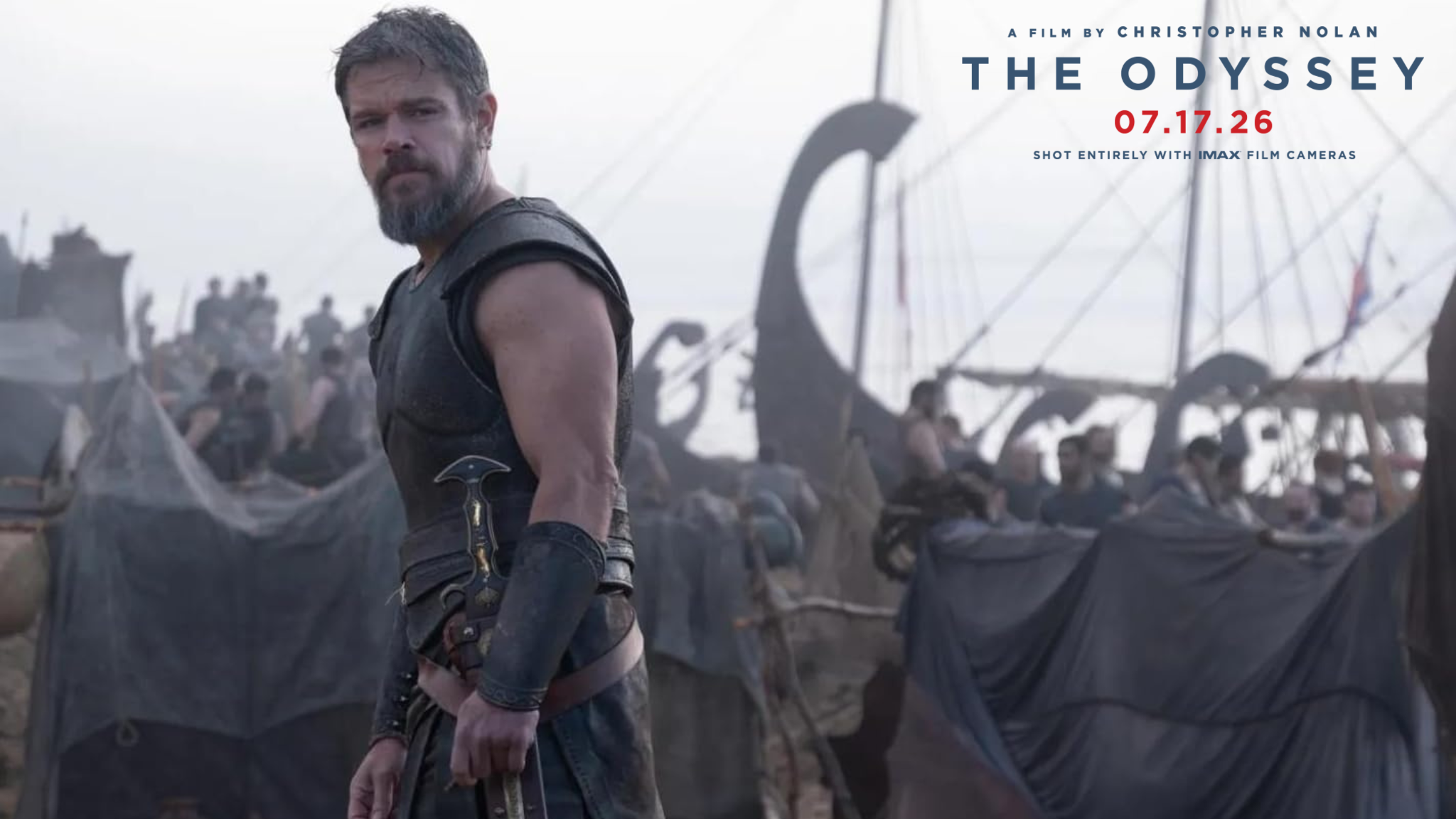
Christopher Nolan's "The Odyssey" hits IMAX screens this week, and it's being talked about as one of the biggest cinema events of the year. Matt Damon as Odysseus, shot entirely on IMAX film cameras, three weeks of exclusive large-format screens before anyone else gets a look. Nolan is once again doing the thing nobody else in Hollywood is willing to bet a budget on. But before he was the guy studios handed a blank cheque to, Nolan had to earn it. And he earned it during arguably the single best decade any director has had in modern Hollywood. From 2005 to 2014, across six films, Nolan went from "promising indie guy who made Memento" to the director every studio wanted attached to their biggest swing. Let's explore Christopher Nolan's Golden Decade.
We just dropped our episode on the final film in that run, Interstellar (episode 223, go listen after this), so it felt like the right week to lay the whole run out and remind ourselves what got him here.
2005: Batman Begins
This is the one that changed the trajectory. Warner Bros handed a guy with three small, cerebral films under his belt the keys to a franchise that had been left for dead after Batman & Robin. Nolan's answer was to throw out the neon and rubber nipples entirely and ground the whole thing in something that actually felt like it could exist. Christian Bale, Michael Caine, and Gary Oldman, a script that took Bruce Wayne's origin seriously instead of treating it as a montage. It didn't just resurrect the character; it invented the template every comic book movie since has been chasing.
2006: The Prestige
Sandwiched between two Batman films, this is the one people forget Nolan even made, and it might be the most purely "Nolan" film on the list. Two magicians, one obsession, and a structure that folds back on itself so many times you need a second watch to catch everything he planted the first time. Hugh Jackman and Christian Bale going scorched-earth at each other over a trick, with a twist that still gets debated. This is the film that proves the puzzle-box instincts weren't a gimmick; they were the whole point.
2008: The Dark Knight
The one that needs no introduction. Heath Ledger's Joker redefined what a comic book villain could be, and did it so completely that the performance became the story, overshadowing an otherwise stacked film built around a genuinely difficult question: what does it cost a good man to become a symbol. This is the film that got a comic book movie into serious Best Picture conversation for the first time and, depending on who you ask, is still the high-water mark of the entire genre.
2010: Inception
After three films spent proving he could handle a franchise, Nolan cashed in every bit of trust he'd built to make something nobody had asked for: an original, hundred-plus-million-dollar heist film set inside dreams within dreams within dreams. No sequel, no existing IP, just a spinning top and an ending that turned into a decade-long argument at pub tables everywhere. It's the film that proved audiences would follow him anywhere, on nothing but his name.
2012: The Dark Knight Rises
Closing out the Batman trilogy after The Dark Knight was never going to be easy, and this one plays a different game entirely, trading the Joker's chaos for Bane's brute-force ideology and an ending that actually commits to finishing Bruce Wayne's story rather than leaving the door open for another decade of sequels. Not everyone's favourite of the three, but as a piece of trilogy architecture, closing a story that started in 2005 with an ending that actually lands, it's an underrated achievement in its own right.
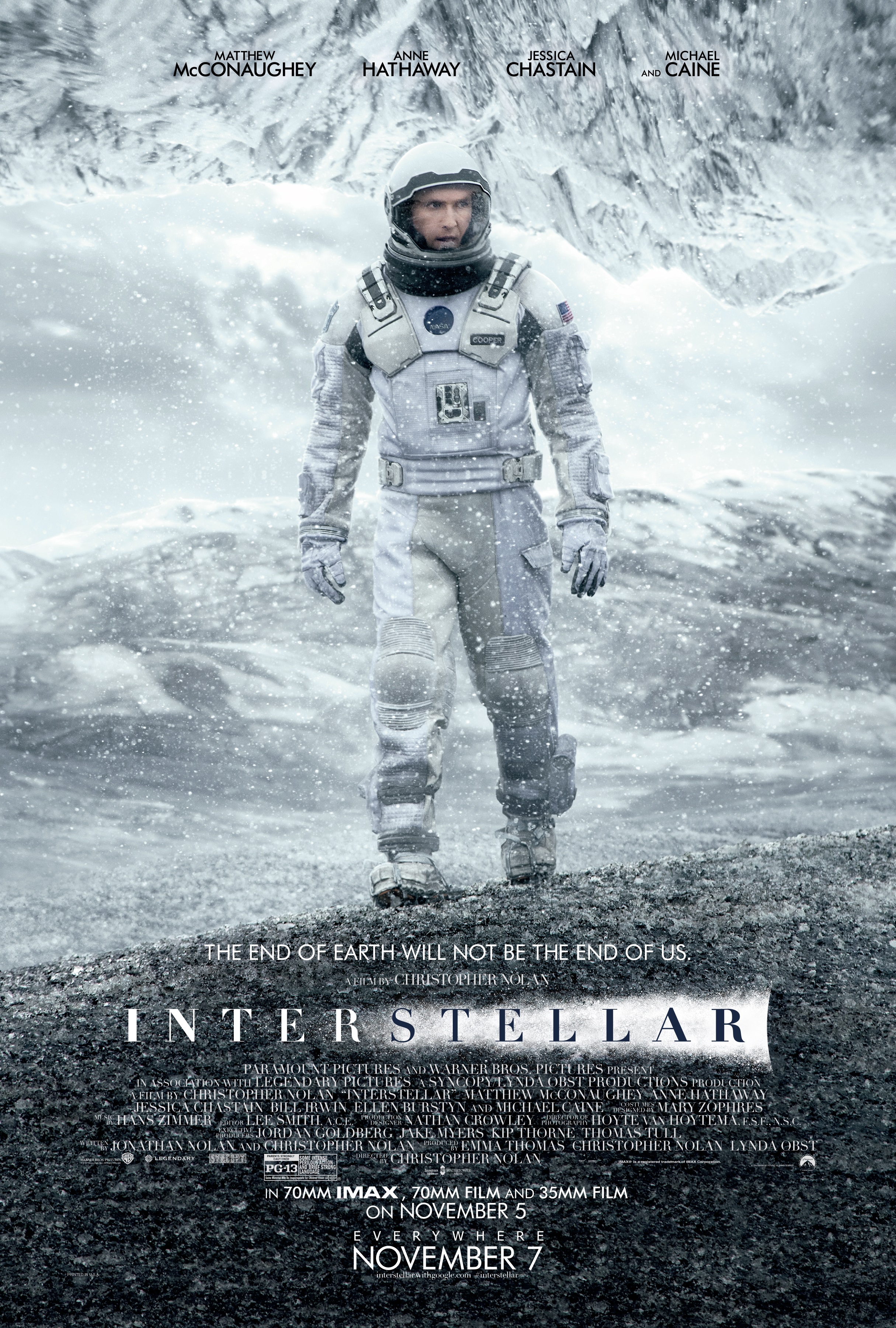
2014: Interstellar
Which brings us to the one we just covered on the show. Two years after closing out the Batman trilogy, Nolan turned from cities and dreams to the collapse of Earth itself, sending Matthew McConaughey through a wormhole in a story that's as much about a father and daughter as it is about relativity and black holes. It's his most emotionally direct film, and it closes out this run by proving the guy who made his name on tight, cerebral puzzle films could also make audiences cry over a docking sequence scored by Hans Zimmer's organ.
Six Films, Zero Misses
Look at that list again. A franchise reinvention, a magician's duel, the genre-defining comic book film, an original blockbuster with no source material, a trilogy closer, and a space epic about love and gravity. Different genres, different scales, different risks, and every single one landed. That's the run that turned Nolan into the only director left who gets a blank cheque and an exclusive IMAX window.
Now he's cashing that cheque in on Homer. Odysseus, the Cyclops, ten years lost at sea, shot entirely on IMAX film. If the last decade of Nolan taught us anything, it's that betting against him is a bad habit.
We break down Interstellar properly with “The Good, The Bad and the Ugly”, Film School, Listen to This trivia, the lot, in Episode 223. Give it a listen, then let us know: does The Odyssey make it seven for seven?

The Video Shop Owner
Matt White, affectionately known as "Whitey" on the "Born to Watch" podcast, epitomises a cinematic sage. Classics like Star Wars, Jaws, and Willy Wonka and the Chocolate Factory sparked his passion for film at a tender age. These films not only captivated him but also moulded his path in life. While briefly flirting with creative arts himself, Matt soon realised his true calling was not in starring in or producing movies but in sharing them. This realisation led him to his true vocation as the guiding light for others’ film explorations.
Taking this passion to a professional level, Matt once owned a video rental store, turning a simple business into a thriving hub for movie enthusiasts. There, he did more than rent out films; he curated cinematic experiences. His shop became a local cornerstone where he imparted his vast knowledge, enthusiastically recommending films that catered to his customers' unique tastes.
Beyond the counters of his now-closed store, Matt's joy in movies is most vividly seen at home. Watching films with his kids, he delights in their reactions, finding profound satisfaction in passing on his love for movies to the next generation. On "Born to Watch," Whitey is more than a host; he’s a mentor, sharing his passion project with listeners and inviting them to join him on a journey through the world of film.
Why Bill Murray is the Only Actor Who Understands Wild Things (1998)