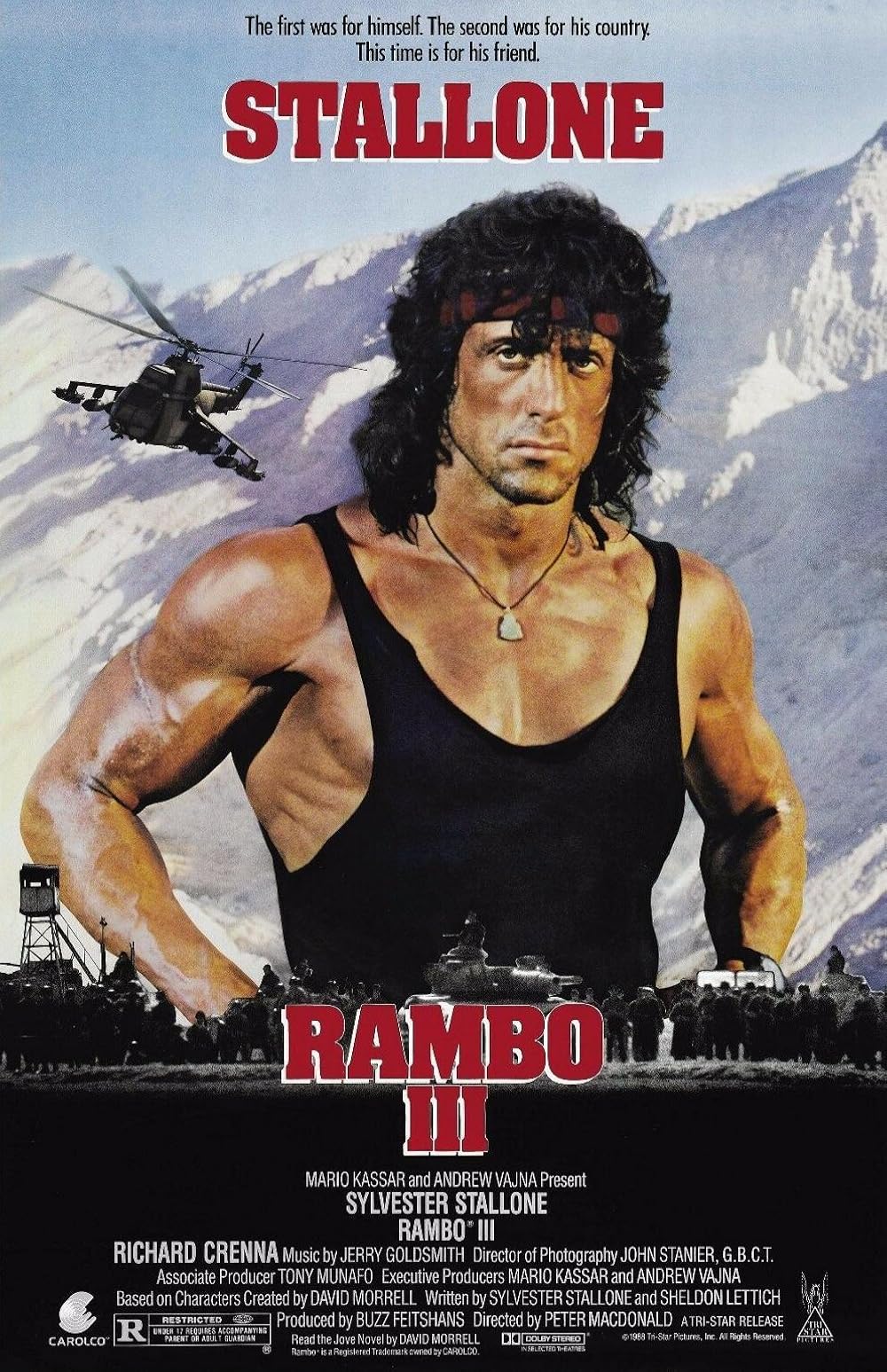
Why Rambo III Remains Peak 80s Action Excess: A Deep Dive Into Stallone's Greatest Over-the-Top Sequel
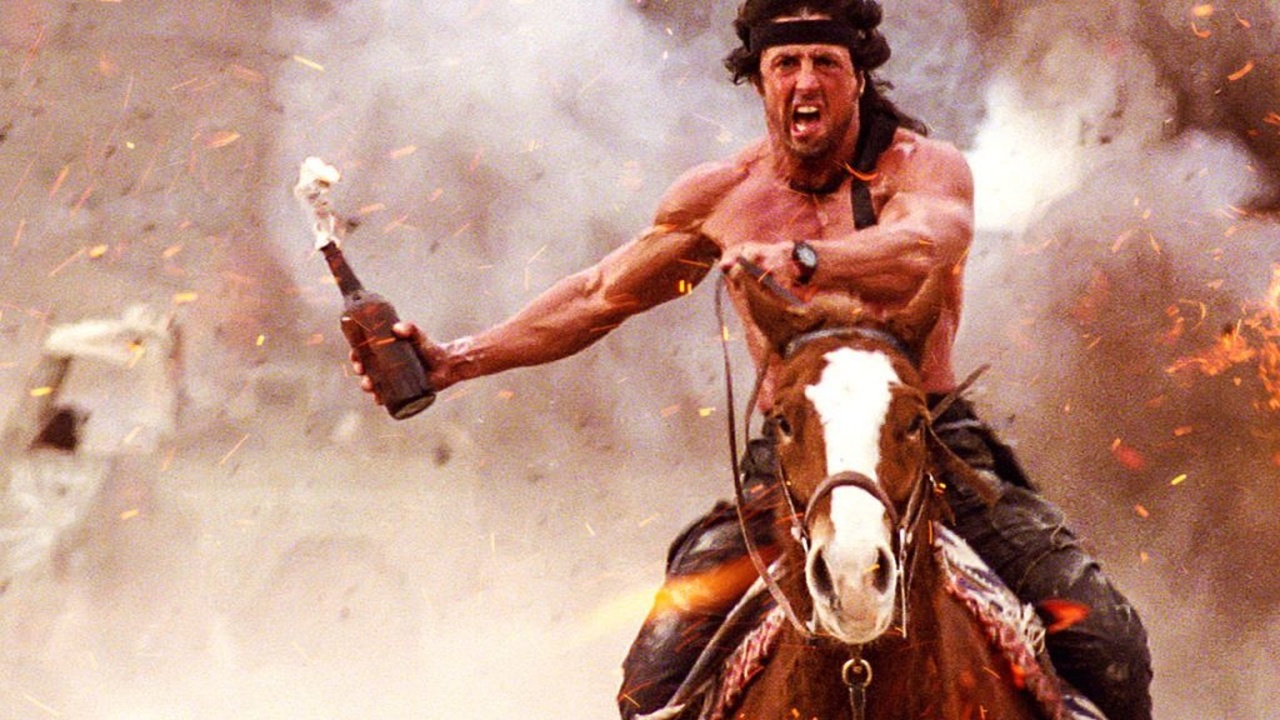
Rambo III represents the absolute pinnacle of late-1980s cinematic excess, combining a bloated budget, outrageously shredded physiques, and non-stop practical explosions. In this deep dive, we explore how Sylvester Stallone turned the dial past eleven, what makes the practical stunts timeless, and why this specific sequel outshines modern CGI action.
Key Takeaways
- Rambo III pushed 80s action conventions to their absolute limit with massive budgets, practical effects, and iconic weapon handling.
- Practical stunts and real-world explosions give the film a tactile weight that modern CGI cannot replicate.
- The film's unique narrative structure and geopolitical context make it a fascinating time capsule of Cold War cinema.
The Anatomy of 80s Action Excess
When looking back at the cinematic landscape of 1988, few films capture the raw, unfiltered machismo of the decade quite like Rambo III. While the original First Blood was a grounded, psychological thriller about a troubled Vietnam veteran pushed to the brink by small-town police, its second and third iterations completely redefined the character. By the time John J. Rambo travels to Afghanistan to rescue Colonel Trautman, subtlety has been entirely abandoned in favor of sheer spectacle.
The production values alone speak volumes about Hollywood's mindset in the late 1980s. Producers poured an astronomical budget into the film, resulting in massive pyrotechnics, sprawling sets, and military hardware that looked genuinely intimidating on screen. It is this dedication to scale that separates the era from subsequent decades. Every bullet hole, every collapsing structure, and every fireball was captured physically on camera, forcing the cast and crew to endure punishing physical conditions to deliver the goods.
Sylvester Stallone's Outrageous Physical Transformation
It is impossible to discuss Rambo III without examining Sylvester Stallone's physical conditioning. Pushing his body to the absolute limit, Stallone arrived on set sporting a shredded, vein-popping physique that quickly became the stuff of cinematic legend. This level of physical commitment was not merely about vanity; it established a visual shorthand for invincibility that defined the action genre for years to come.
Fans and critics alike often debate whether Stallone was fully aware of how campy the enterprise was becoming, or if he genuinely believed there was profound dramatic weight beneath the explosions. Regardless of intent, the combination of the iconic red headband, the magnificent 1988 hair, and the sheer physical presence created an enduring pop culture icon. The opening stick fight alone sets a tone of hyper-masculine bravado that few films have ever managed to successfully replicate.
Why Practical Effects Win Every Time
One of the strongest arguments for revisiting Rambo III today is the sheer quality of its practical filmmaking. In an era dominated by seamless, weightless computer-generated imagery, watching real squibs pop, genuine military vehicles roll across rough terrain, and massive practical explosions ripple through dust and dirt is a breath of fresh air.
The cave sequence serves as a masterclass in tension and atmosphere. As Rambo hunts his enemies through pitch-black subterranean environments, the lack of digital interference forces the audience to rely entirely on practical lighting, genuine smoke, and Stallone's visceral physical performance. Furthermore, sound design played a massive role in cementing the film's legacy. The unmistakable, instantly recognizable acoustic snap of Rambo pulling back his composite bowstring remains one of the greatest auditory signatures in action movie history.
Conclusion
Rambo III may be loud, occasionally ridiculous, and structurally bloated, but its absolute commitment to entertainment makes it an enduring classic of the genre. Whether you are analyzing its fascinating geopolitical backdrop or simply marveling at the sheer volume of pyrotechnics, there is no denying its impact on action cinema. To hear four lifelong movie buffs pick apart every single explosion, narrative flaw, and iconic line from this 1980s monolith, Listen to the full episode. Don't forget to subscribe to the Born To Watch podcast for more weekly deep dives into the films that shaped our cinematic lives!
Frequently Asked Questions
Was Rambo III a financial success upon its release in 1988?
Yes, despite mixed critical reviews and earning some Razzie nominations, Rambo III was a massive box office hit globally, capitalizing heavily on the international appetite for Sylvester Stallone's high-octane action persona.
What makes the action in Rambo III different from modern action movies?
Rambo III relies entirely on practical effects, real stunt work, physical pyrotechnics, and tangible military hardware rather than the digital CGI enhancements commonly found in modern blockbusters.
How does Rambo III compare tonally to the first film, First Blood?
While First Blood was a grounded, suspenseful drama focusing on PTSD and societal rejection, Rambo III leans entirely into bombastic, larger-than-life action spectacle with minimal psychological nuance.
Why is the cave sequence often highlighted by fans?
The cave sequence showcases Rambo at his tactical best, utilizing stealth, darkness, and environment-based combat rather than just raw firepower, offering a thrilling change of pace in the middle of the chaos.

Why Evil Ed Ruins Fright Night 1985 (And Why We Can't Look Away)