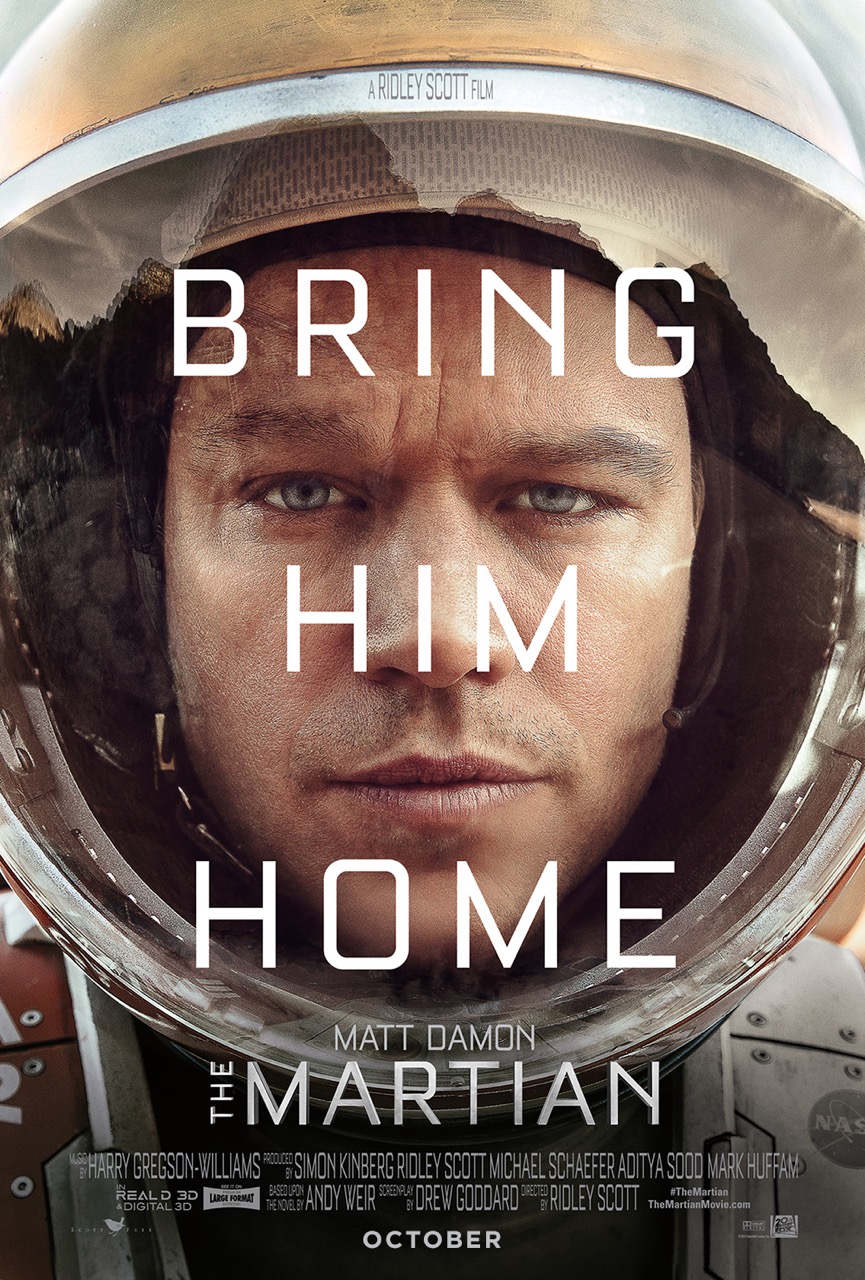
Why Commander Lewis Left the Best Disco Playlist on Mars
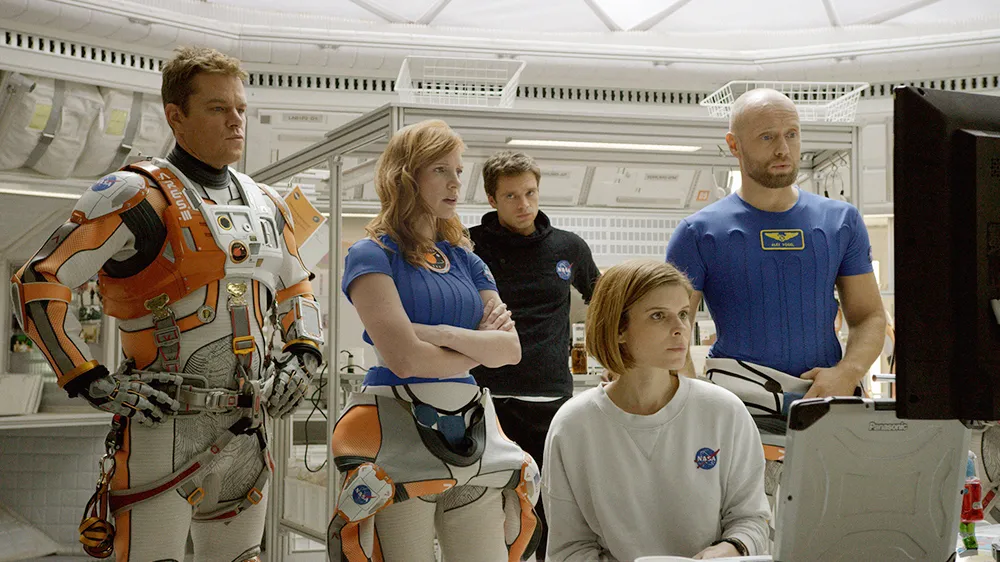
When astronaut Mark Watney finds himself stranded alone on the Red Planet, his primary battles are fought against failing oxygenators, brutal dust storms, and a complete lack of food. However, his most uniquely torturous enemy might actually be the 1970s disco collection left behind by Commander Lewis, turning a logistical disaster into a relentless audio-haunting.
Key Takeaways
- Commander Lewis's physical flash-drive collection of 1970s disco served as an unexpected psychological lifeline for stranded astronaut Mark Watney.
- Forced musical repetition acts as a powerful cognitive grounding mechanism in extreme isolation environments.
- Ridley Scott used disco not just for comic relief, but as a deliberate narrative device to contrast human warmth against the coldness of space.
- The complete lack of alternative music forced Watney to confront his Commander's questionable taste on a loop, driving both frustration and resilience.
The Psychology of Forced Audio Isolation in Deep Space
When studying real-world isolation—such as Antarctic winter-over crews or long-duration spaceflight analogs—psychologists consistently find that sensory monotony is one of the most destructive forces facing human cognition. Without external inputs, the human brain begins to drift, internalize stress, and degrade in executive function. Mark Watney faces this exact psychological cliff the moment the Ares III crew departs.
Enter Donna Summer, Gloria Gaynor, and ABBA. While Watney treats the music as a running gag and a persistent sonic annoyance, the presence of structured, rhythmic, lyrical audio is a masterclass in psychological preservation. Music anchors time. When you are millions of kilometers away from Earth with no calendar progression other than Martian Sols, having a loud, driving beat forces the brain to process temporal sequencing. Commander Lewis may have been relentlessly teased for her musical preferences, but her stubborn insistence on bringing physical media filled with high-bpm tracks accidentally handed her botanist the exact tool he needed to keep his brain from turning to mush.
Moreover, the disco soundtrack provides a vital emotional contrast. Mars is visually stunning, mathematically precise, and utterly, terrifyingly dead. The bright, bombastic horns of 1970s dance tracks inject an unapologetically vibrant human heartbeat straight into the sterile aluminum and red dirt of the HAB. It is impossible to feel entirely forgotten by humanity when ABBA is blasting through the rover speakers at maximum volume.
Disco as a Narrative Tool
Director Ridley Scott and screenwriter Drew Goddard made a brilliant adaptation choice by retaining the book's musical running joke. In a survival film that could easily tip into unrelenting bleakness, the disco element acts as an essential pressure valve. It reminds the audience that Watney is a regular guy who loves terrible jokes, hates his boss's taste in music, and simply refuses to let the universe defeat him.
Think about the sheer psychological friction of your only entertainment option being an audio genre you actively dislike. Watney doesn't get to fire up a comforting podcast, stream his favorite modern indie band, or listen to ambient rain sounds. He gets Donna Summer. The frustration of being trapped with terrible music gives him a petty, human annoyance to focus on, diverting his brain away from the existential dread of cosmic radiation and suffocation.
Why Commander Lewis Made the Right Call
We often judge space mission payloads by their strict utility: oxygen scrubbers, caloric density, structural titanium, and hydrazine propulsion. But space agencies frequently overlook the psychological payload. Commander Lewis understood something fundamental about human nature: survival is not just about calories; it is about morale.
By hauling physical media—analog files protected from solar flares and data corruption—she ensured her crew had a tangible link to Earth culture. When Watney inserts that drive into his computer, he isn't just listening to songs; he is tapping into a collective human history of joy, dance, and celebration that feels light-years away from the bleak landscape outside his airlock. It is a brilliant touch of characterization that elevates the film from a standard procedural engineering puzzle into a deeply human story about culture and connection.
Conclusion
Whether you view Commander Lewis's playlist as a brilliant psychological survival mechanism or simply the ultimate cosmic practical joke, there is no denying its impact on Mark Watney's journey. To dive deeper into Ridley Scott's science fiction masterpiece, including the incredible cast, the brilliant problem-solving, and why the potatoes deserve an Oscar of their own, be sure to check out the discussion on the podcast. Listen to the full episode and join the crew as they break down every corner of Watney's Martian adventure.
Frequently Asked Questions
What songs are featured on Commander Lewis's disco playlist in The Martian?
The playlist includes iconic tracks like 'Turn the Beat Around' by Vicki Sue Robinson, 'Hot Stuff' by Donna Summer, 'Don't Leave Me This Way' by Thelma Houston, and ABBA's 'Waterloo'.
Why did Commander Lewis have disco music on a Mars mission?
Commander Lewis brought her physical collection of 1970s analog media because digital files can be corrupted, making disco her personal, albeit heavily criticized, psychological comfort food for the long voyage.
Did the disco music help Mark Watney survive psychologically?
Yes, while Watney frequently complains about the genre, having familiar, high-energy audio stimuli prevented sensory deprivation and cognitive decay during long stretches of solitary work in the HAB.

Why Bill Murray is the Only Actor Who Understands Wild Things (1998)