Why Evil Ed Ruins Fright Night 1985 (And Why We Can't Look Away)
When revisiting Tom Holland's 1985 vampire classic, viewers often praise Chris Sarandon's suave villainy or the groundbreaking practical effects. However, one character consistently divides audiences: Stephen Geoffreys' intensely eccentric portrayal of Evil Ed. This deep dive examines whether Ed's polarizing performance is a masterclass in chaotic character acting or an unbearable distraction that nearly derails the entire movie.
Key Takeaways
- Stephen Geoffreys delivers one of the most polarizing performances in 1980s horror cinema as Charlie's outcast friend, Evil Ed.
- The character sparks fierce debate between nostalgic viewers and first-time modern watchers over whether he is intentionally funny or just gratingly annoying.
- Ed's bizarre vocal tics, exaggerated mannerisms, and distinct physical comedy place him in a completely different cinematic reality than the rest of the cast.
- Despite the annoyance factor, Evil Ed's ultimate tragic transformation provides some of the film's most memorable practical creature effects.
- Examining performances like Geoffreys' highlights how gateway horror movies from our youth test differently when subjected to modern critical re-evaluations.
The Evolution of Evil Ed in Cult Horror
In the pantheon of 1980s horror sidekicks, few characters command as much screen presence—or draw as much irritation—as "Evil" Ed Thompson. Played by Stephen Geoffreys, Ed is introduced as the quintessential high school outcast: obsessed with monsters, prone to hysterical outbursts, and fiercely loyal to his horror-buff friend Charlie Brewster. Yet, from his very first appearance, Geoffreys operates on a frequency entirely separate from everyone else on screen. While William Ragsdale plays straight-laced teenage panic and Chris Sarandon oozes suave, calculating menace, Geoffreys hams up every single line delivery with theatrical abandon.
For audiences discovering the film decades later without the comforting safety net of childhood nostalgia, Evil Ed can feel like an abrasive shock to the system. His high-pitched giggles, awkward physical tics, and relentless need to overact make him a fascinating case study in cult cinema. Is he a stroke of avant-garde comedic genius, or is he simply playing to the cheapest seats in a movie that otherwise strikes a remarkably balanced tone of genuinely eerie suburban dread?
Calibrating the On-Screen Annoyance Scale
When analyzing cult classics, modern viewers often struggle with characters whose comedic styles haven't aged gracefully. Evil Ed sits comfortably at the absolute peak of the hypothetical annoyance scale. His interactions with Charlie—particularly when demanding to know why Charlie is ignoring him for his new girlfriend, Amy—border on operatic melodrama. Every syllable is stretched, every facial expression is contorted into a grimace, and his obsession with vampires feels less like a quirky hobby and more like a cry for professional intervention.
Yet, this over-the-top energy is precisely what makes the character so unforgettable. Horror comedies rely heavily on contrast. By establishing Ed as a genuinely grating, hyperactive nuisance, the filmmakers create a strange emotional dichotomy. When Ed ultimately crosses paths with Jerry Dandrige in that dark, desolate alleyway, the audience's reaction is wonderfully complex. There is a bizarre mix of catharsis that the screaming has stopped, paired with the genuine tragedy of a kid who simply loved monster movies getting way in over his head.
Practical Effects and Ed's Monstrous Redemption
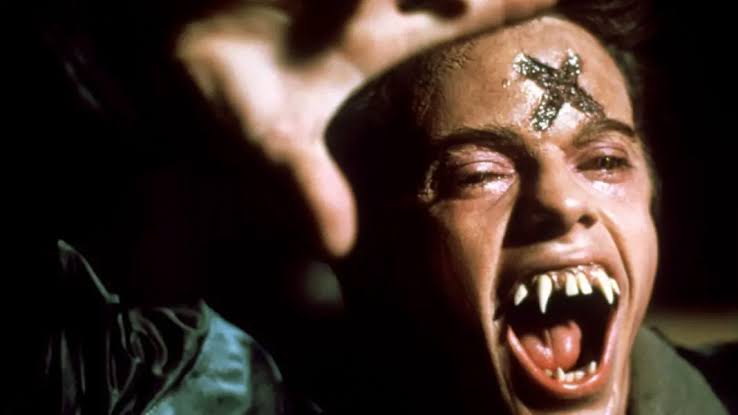
Regardless of where you land on the annoyance spectrum during the film's first two acts, Evil Ed's eventual third-act transformation completely alters the dynamic. Once Jerry sinks his teeth into Ed, Stephen Geoffreys pivots from annoying high schooler to a terrifying, sadistic creature of the night. This shift highlights the brilliance of 1980s practical creature effects, allowing Geoffreys to lean into physical horror that requires far more than just vocal theatrics.
The practical transformation scenes, featuring melting prosthetics, glowing eyes, and grotesque physical contortions, give the character the cinematic redemption he desperately needs. It turns out that an actor who feels slightly out of place in a suburban teen comedy is uniquely equipped to play a feral, newly minted vampire relishing his newfound predatory freedom. His later confrontation inside Peter Vincent's apartment complex showcases a malicious glee that makes the earlier, grating teenage whining retroactively feel like necessary character groundwork.
Why Nostalgia Blinds Us to Annoying Characters
One of the most fascinating aspects of revisiting films like Fright Night is realizing how childhood nostalgia acts as a powerful defensive shield. If you watched the movie on a worn-out VHS tape at age twelve, Evil Ed was likely just part of the eccentric fabric of a scary, magical world. You accepted his weirdness because the movie as a whole represented an exciting gateway into adult horror.
However, watching the film for the first time as an adult strips away that nostalgic armor. Without childhood affection softening the edges, performances like Geoffreys' are subjected to the cold, unforgiving light of modern critical standards. This clash of perspectives—between those who remember loving every frame and those experiencing the chaos for the very first time—fuels passionate debates about what makes a great cult classic. To hear a hilarious, unfiltered breakdown of these exact nostalgic conflicts and cinematic clashes, be sure to Listen to the full episode.
Conclusion
Evil Ed remains one of the most polarizing creations in 1980s horror history. Whether you find his theatrical antics utterly unbearable or a delightfully chaotic highlight of the film, there is no denying his lasting impact. Characters like Ed remind us why cinema from the pre-internet era felt so daringly unpredictable—directors took risks on eccentric performances that simply wouldn't survive today's focus-group-tested filmmaking. If you want to dive deeper into the nostalgic highs, the questionable acting choices, and the eternal debate over whether childhood favorites still hold up today, check out the podcast discussion. Listen to the full episode and join the crew as they unpack all the horror, comedy, and '80s vampire cool.
Frequently Asked Questions
Who plays Evil Ed in Fright Night (1985)?
Evil Ed is played by American actor Stephen Geoffreys, who became a recognizable face in 1980s cult horror and comedy films before briefly transitioning into adult entertainment later in his career.
Is Evil Ed supposed to be an annoying character?
While intended to represent a socially awkward, hyperactive teenage outcast obsessed with horror movies, Stephen Geoffreys' intensely theatrical performance pushed the character so far into eccentricity that viewers are permanently divided on whether he is intentionally funny or just irritating.
How does Evil Ed change in the second half of the movie?
After being attacked and turned into a vampire by Jerry Dandrige, Evil Ed drops his whiny teenage persona and transforms into a sadistic, feral creature of the night, setting up a memorable confrontation with Peter Vincent and Charlie.
Why does Evil Ed's performance divide modern viewers?
First-time adult viewers lacking childhood nostalgia often find his vocal tics and over-the-top mannerisms grating compared to the smoother performances of co-stars like Chris Sarandon and William Ragsdale.

The Video Shop Owner
Matt White, affectionately known as "Whitey" on the "Born to Watch" podcast, epitomises a cinematic sage. Classics like Star Wars, Jaws, and Willy Wonka and the Chocolate Factory sparked his passion for film at a tender age. These films not only captivated him but also moulded his path in life. While briefly flirting with creative arts himself, Matt soon realised his true calling was not in starring in or producing movies but in sharing them. This realisation led him to his true vocation as the guiding light for others’ film explorations.
Taking this passion to a professional level, Matt once owned a video rental store, turning a simple business into a thriving hub for movie enthusiasts. There, he did more than rent out films; he curated cinematic experiences. His shop became a local cornerstone where he imparted his vast knowledge, enthusiastically recommending films that catered to his customers' unique tastes.
Beyond the counters of his now-closed store, Matt's joy in movies is most vividly seen at home. Watching films with his kids, he delights in their reactions, finding profound satisfaction in passing on his love for movies to the next generation. On "Born to Watch," Whitey is more than a host; he’s a mentor, sharing his passion project with listeners and inviting them to join him on a journey through the world of film.
Why Bill Murray is the Only Actor Who Understands Wild Things (1998)