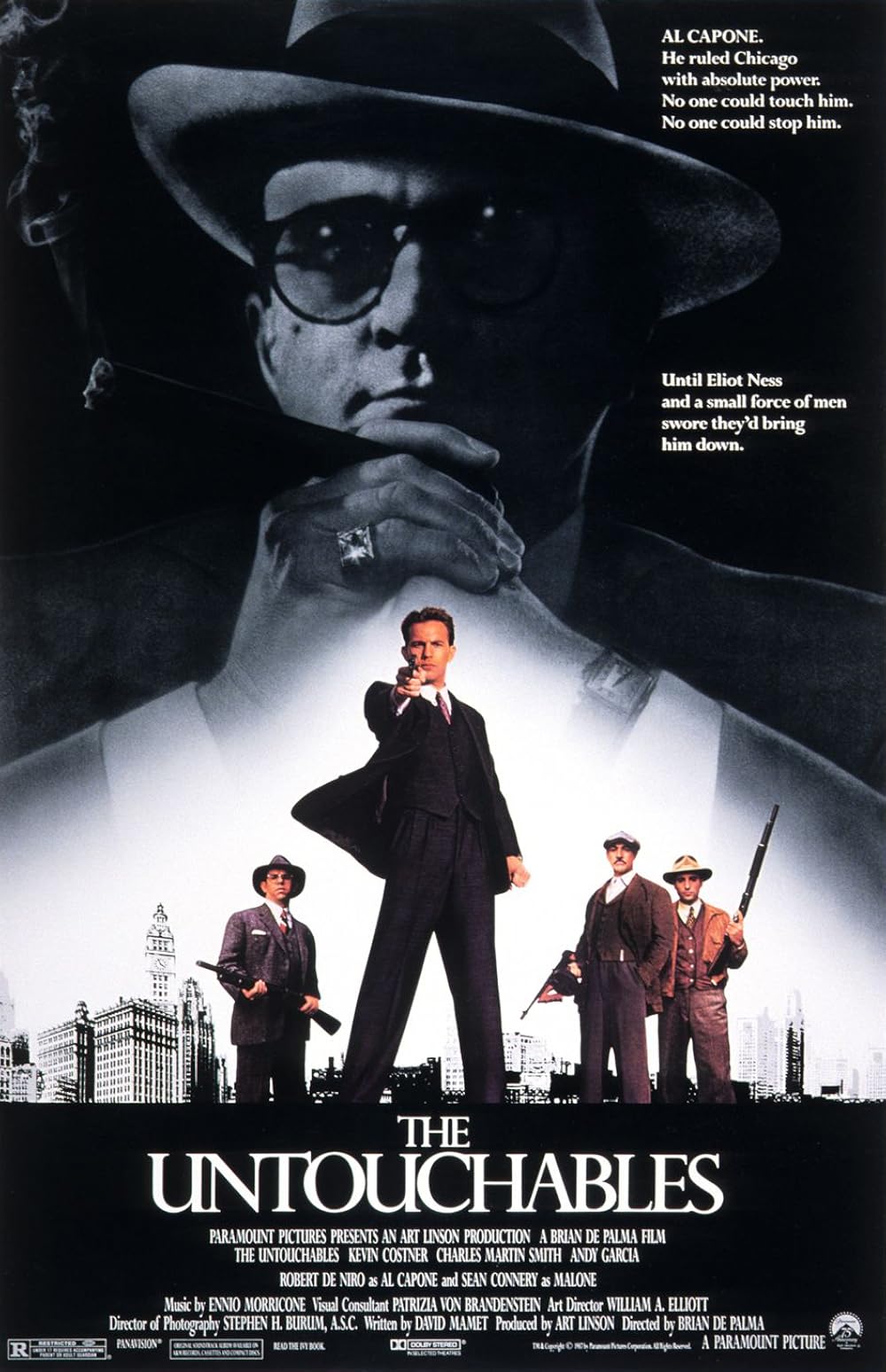
Why Robert De Niro's Al Capone Screen Time Ruined The Untouchables
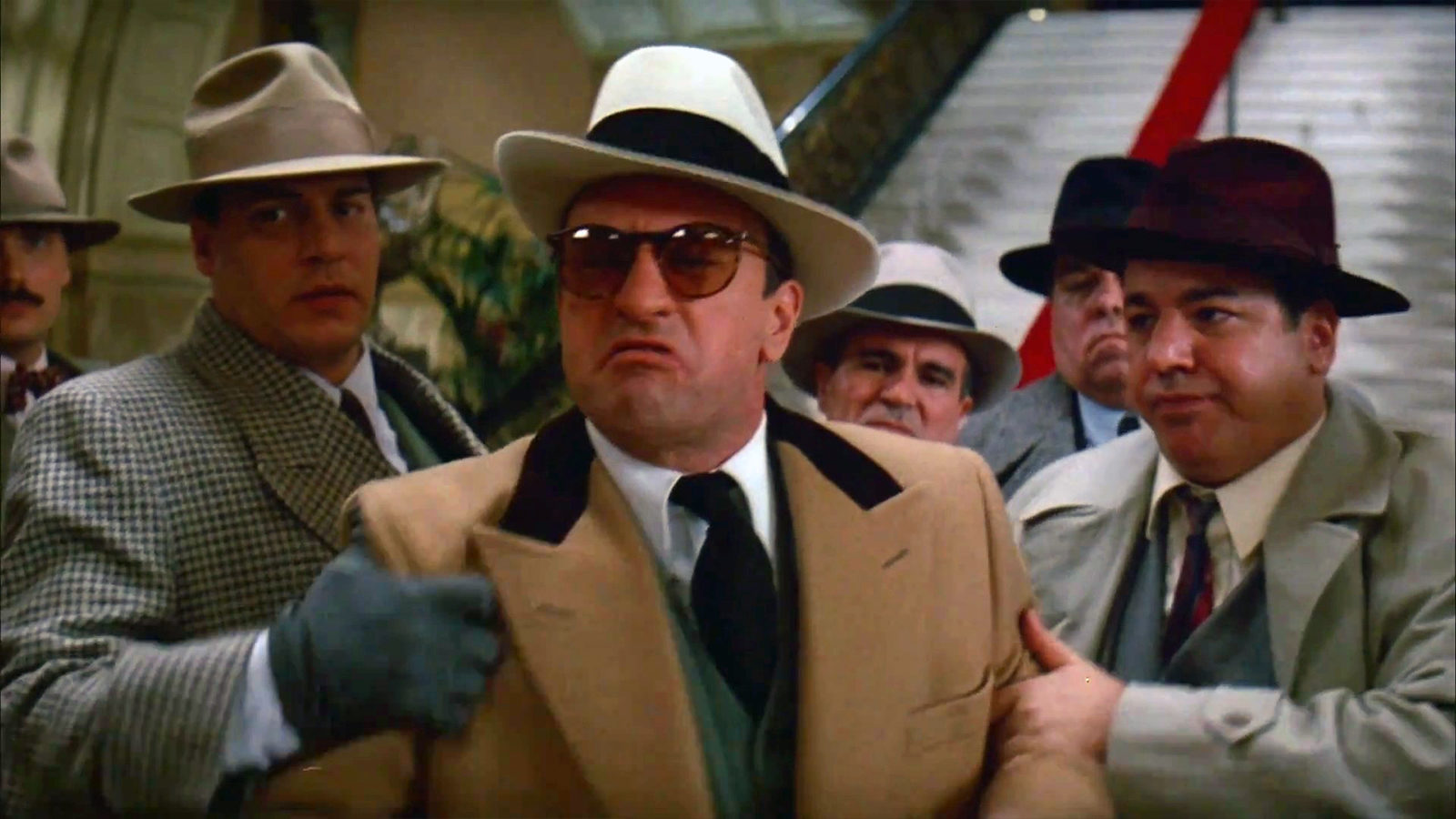
When Robert De Niro took on the role of legendary Chicago mob boss Al Capone in 1987's The Untouchables, moviegoers expected a towering, dominant cinematic force. Instead, De Niro is curiously sidelined for much of the runtime. This casting choice ultimately robbed the film of a compelling cat-and-mouse dynamic between law and lawlessness.
Key Takeaways
- Robert De Niro's Al Capone appears in surprisingly few scenes, limiting the antagonist's impact.
- The film focuses too heavily on Kevin Costner's straight-laced Eliot Ness at the expense of its villain.
- Expanding Capone's screen time could have balanced the narrative weight of the movie.
- De Niro's method acting delivered memorable moments, but fans were left wanting a deeper dive into the mobster's empire.
The Curious Case of Capone's Absence
It is one of the great paradoxes of 1980s cinema: you cast a powerhouse actor like Robert De Niro, famous for total immersion and dominating the screen, and then you barely use him. In The Untouchables, Al Capone serves as the overarching threat that drives Eliot Ness to assemble his elite squad. However, the actual face-to-face friction between Ness and Capone is shockingly sparse. For a movie named after the relentless federal agents pursuing a syndicate, the syndicate's leader feels more like an abstract concept than a breathing, active antagonist for large stretches of the narrative.
De Niro famously gained weight, shaved his hairline to match Capone's, and wore custom silk underwear to fully inhabit the Chicago kingpin. His performance yields iconic imagery, from the violent baseball bat dinner table scene to his smug court appearances. Yet, these moments are fleeting. Whenever the audience gets truly invested in De Niro's menacing swagger, the film immediately cuts back to Kevin Costner methodically walking down corridors or staring intensely at tax ledgers.
Balancing the Hero and Villain Dynamics
Great crime dramas often thrive on the intimate relationship between the protagonist and the antagonist. Think of Michael Mann's Heat, where Al Pacino and Robert De Niro share legendary screen tension. In The Untouchables, that dynamic is heavily skewed. Costner's Eliot Ness is framed as an unshakeable Boy Scout—pure, righteous, and somewhat one-dimensional. By keeping Capone locked away in the background until the final courtroom showdown, the filmmakers missed an opportunity to explore the psychological toll Capone was taking on Ness.
Instead of watching two titans clash, we watch Ness fight a bureaucracy and a series of secondary henchmen like Frank Nitti. While Sean Connery's Oscar-winning turn as Jimmy Malone provides a brilliant mentor dynamic, and Andy Garcia brings effortless cool as sharpshooter George Stone, the absence of a primary villainous presence leaves a noticeable vacuum in the middle of the film.
Missed Opportunities in the Underworld
By restricting De Niro to just a handful of set-piece appearances, the script essentially treats Capone as a final boss in a video game rather than a complex historical figure running a massive, functioning criminal enterprise. We rarely see the inner workings of his gang from his perspective. How did his empire react to the pressure? What were the internal politics of the Chicago Outfit as federal agents started closing in on their bootlegging operations?
Exploring these angles would have elevated The Untouchables from a stylish, testosterone-fueled action flick into a richer, more layered crime epic. De Niro had the gravitas to carry half the movie, but the editorial choices relegated him to a glorified cameo status punctuated by quotable outbursts and dramatic pauses.
Conclusion
While Brian De Palma's direction, Ennio Morricone's soaring score, and the unforgettable Union Station staircase sequence ensure that The Untouchables remains a certified 1980s classic, the underutilization of Robert De Niro remains its biggest narrative flaw. To hear a deep dive into whether this casting imbalance hurts the film's legacy, Listen to the full episode of the Born To Watch podcast. Join the boys as they break down the good, the bad, and the utterly ridiculous parts of this gangster staple!
Frequently Asked Questions
How much screen time does Robert De Niro actually have in The Untouchables?
Despite being top-billed alongside Kevin Costner, Robert De Niro's Al Capone appears in only a handful of scenes throughout the entire two-hour runtime, functioning more as a looming threat than an active, day-to-day antagonist.
Was Robert De Niro's performance as Al Capone praised by critics?
Yes, De Niro received widespread acclaim for his physical transformation, method acting, and charismatic, intimidating portrayal of the notorious Chicago mob boss, even if many felt his role was too brief.
Who is the real standout star of The Untouchables according to fans?
While Kevin Costner plays the lead protagonist Eliot Ness, Sean Connery won an Academy Award for Best Supporting Actor as Jimmy Malone, and many viewers consider Connery to be the true heartbeat and star of the film.
Does the movie focus more on the cops or the criminals?
The Untouchables is heavily skewed toward the perspective of Eliot Ness and his law enforcement team, leaving the inner workings of Al Capone's criminal empire largely unexplored.
Why Bill Murray is the Only Actor Who Understands Wild Things (1998)