Does Point Break (1991) Hold Up for Real Surfers? A Reality Check
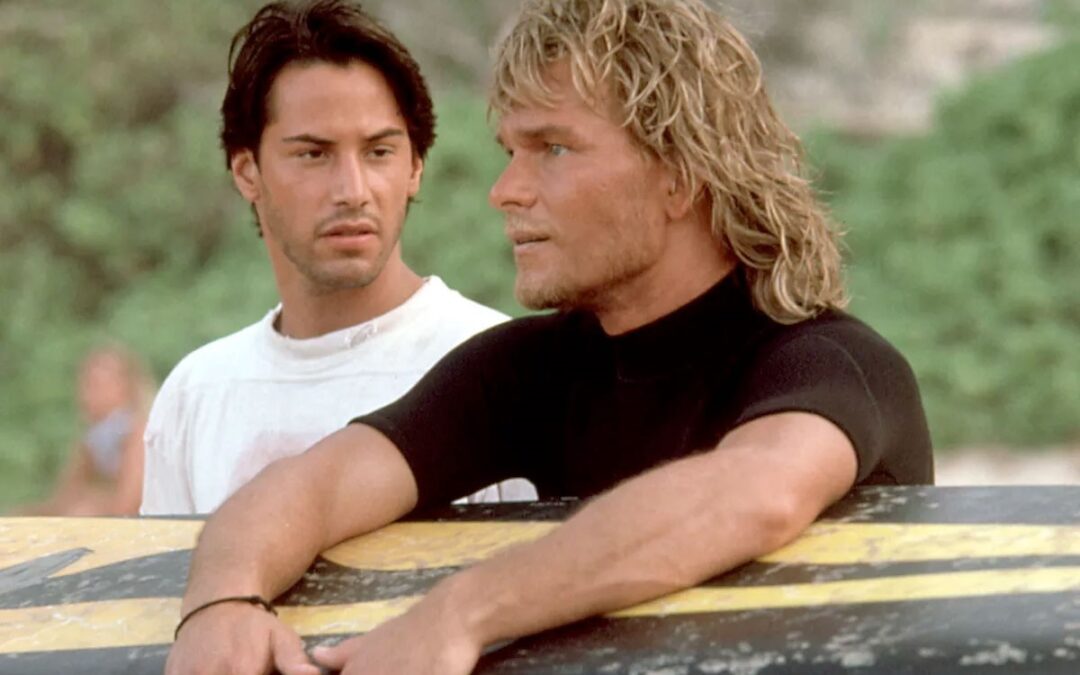
When real-life surfers watch Kathryn Bigelow's 1991 action masterpiece Point Break, the viewing experience is often a hilarious exercise in spotting glaring continuity errors, stance changes, and impossible wave transitions. While casual fans remember the adrenaline, actual wave-riders notice details that completely shatter the illusion of reality.
Key Takeaways
- Actual surfers often notice dramatic continuity errors in Point Break, such as riders randomly changing stances mid-wave.
- The infamous night surfing scene, while visually atmospheric, stretches cinematic reality to its absolute breaking point.
- Kathryn Bigelow prioritizes raw physical energy and adrenaline over technical surfing authenticity, which ultimately serves the film's narrative.
- Knowing your way around a surfboard doesn't necessarily ruin the movie, but it changes how you view its most famous action set pieces.
The Anatomy of a Hollywood Surf Flick
Hollywood has a long, troubled history of trying to capture board sports on film. Studios want maximum visual drama, massive crashing tubes, and sunset silhouettes. Real surfing, by contrast, involves a lot of sitting around on a piece of fiberglass, waiting for a set, battling local crowds, and missing waves entirely. When Point Break hit cinemas in 1991, it bypassed mundane reality in favor of pure, unadulterated pulp philosophy.
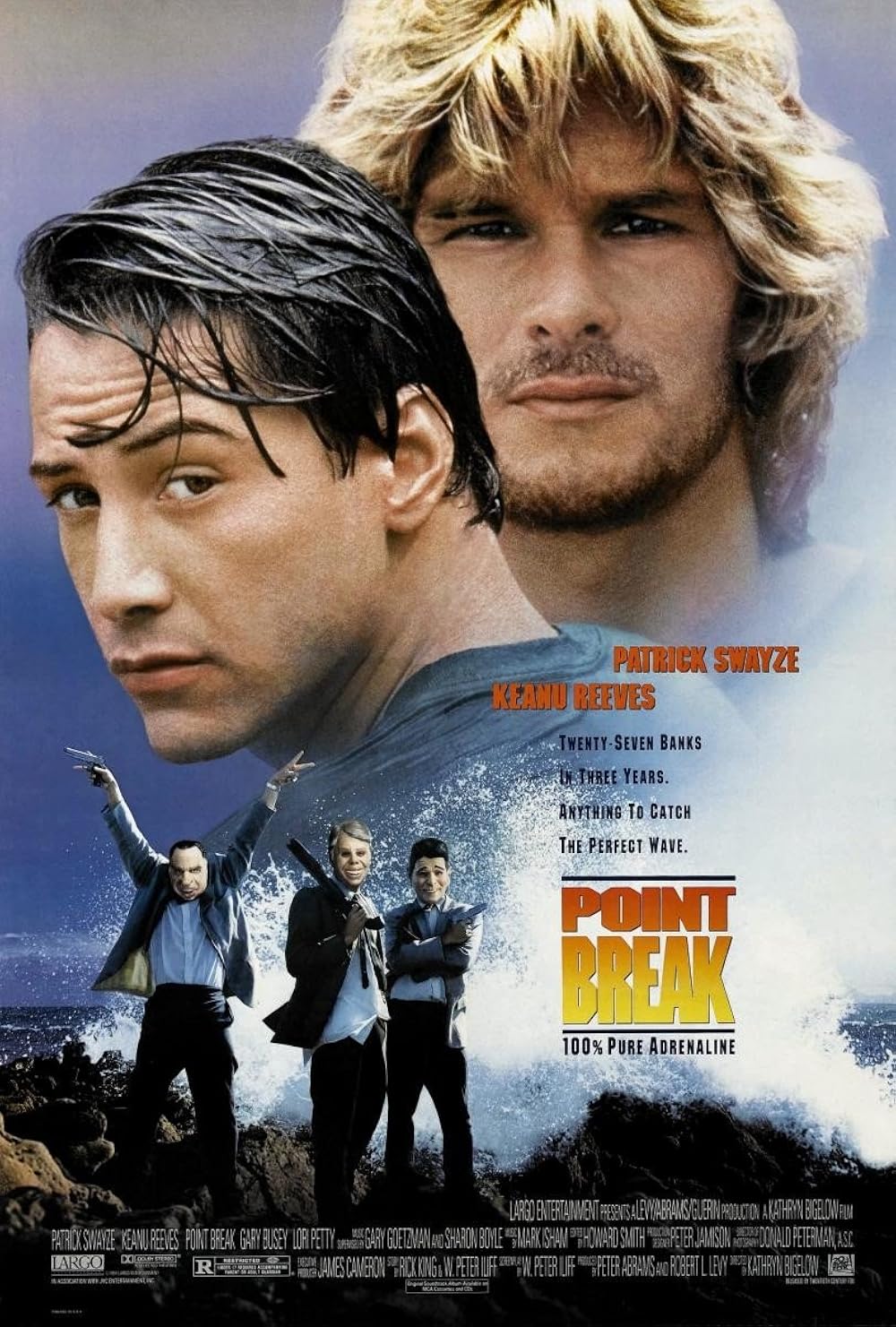
Johnny Utah, a former college quarterback turned FBI agent, goes undercover to infiltrate a gang of bank-robbing surfers known as the Ex-Presidents. Led by the charismatic, barefoot philosopher Bodhi—played with transcendent charm by Patrick Swayze—the crew treats the ocean not just as a playground, but as a spiritual gateway. But how does that spiritual gateway hold up when scrutinised by someone who actually spends their weekends in a wetsuit?
The Stance-Shifting Phenomenon
One of the most amusing criticisms leveled against Point Break by seasoned surfers is the casual disregard for a surfer's stance. In the real world, you are either a 'regular' foot (left foot forward) or a 'goofy' foot (right foot forward). You don't just casually swap your stance halfway down the line depending on which camera angle looks cooler.
Yet, in several of Point Break's tightly edited wave sequences, sharp-eyed viewers can watch riders magically switch how they face the wave between cuts. For an audience member who grew up watching instructional VHS tapes or studying real surf competitions, these edits pull you straight out of the narrative. It turns a tense cinematic showdown into a game of spot-the-stunt-double.
The Myth of Night Surfing
Nothing highlights Hollywood's detachment from ocean reality quite like the film's celebrated night surfing sequence. Bodhi drags Johnny Utah and the crew out into the pitch-black Pacific swells under the glow of a bonfire and the moon. It looks undeniably cool on screen, establishing the reckless, boundary-pushing ethos of Bodhi's philosophy of freedom.
Ask any local surfer, however, and they will tell you that night surfing is generally a terrible idea. Between submerged reef hazards, unseen rip currents, and the minor detail of great white sharks, paddling out into heavy dark water is less about spiritual enlightenment and more about tempting fate. Bigelow knew exactly what she was doing: she traded maritime safety and realism for maximum atmospheric tension.
Style Over Substance: Why It Still Works
Despite the technical flaws and anatomical impossibilities of its surf scenes, Point Break remains an undisputed classic. Why? Because Kathryn Bigelow was never trying to make a documentary for Surfer Magazine. She was crafting a high-octane action thriller about obsession, masculinity, and the American dream twisted into a curl of saltwater.
When you measure the film by its entertainment value rather than its marine accuracy, the minor editing flaws become endearing quirks. Keanu Reeves leaning heavily into his earnest federal agent persona, Gary Busey chewing every piece of scenery in sight, and Patrick Swayze delivering lines about the 50-year storm with absolute, unyielding sincerity—these elements outweigh a few mismatched surf stances.
Conclusion
Point Break (1991) might fail a strict technical inspection by real-life wave-riders, but its kinetic energy and sheer commitment to its own wild premise keep audiences coming back decades later. Whether you are laughing at the editing tricks or buying into Bodhi's surf-centric worldview completely, the film remains an essential cinematic ride.
For a deeper dive into the cast, the ridiculous stunts, and a full breakdown of the movie's legacy, make sure to Listen to the full episode of Born To Watch. Join the crew as they unpack the action, debate the performances, and decide once and for all where this classic lands in the Rank Bank!
Frequently Asked Questions
Do the actors actually do their own surfing in Point Break?
While Patrick Swayze was a genuinely enthusiastic surfer who performed some of his own catching and paddling, much of the heavy wave-riding and dangerous stunts were handled by professional stunt doubles and surfing stand-ins.
Is the night surfing scene in Point Break realistic?
Not at all. Real surfers generally avoid night surfing due to extreme hazards like hidden reefs, unpredictable currents, and marine life. In the film, it serves as a heightened, mystical bonding experience for Bodhi's crew rather than an accurate depiction of the sport.
Why do surfing continuity errors happen so often in 90s action movies?
Filmmakers frequently splice together footage shot across entirely different beaches, weather conditions, and days. Directors like Kathryn Bigelow are focused on matching the visual intensity of the scene rather than ensuring a stunt double maintains the exact same goofy or regular stance.
Does knowing about surfing ruin Point Break?
It depends on the viewer. Some experienced surfers find the technical inaccuracies distracting, while others happily embrace the B-movie adrenaline rush and the magnetic charisma of Patrick Swayze's Bodhi.

The Video Shop Owner
Matt White, affectionately known as "Whitey" on the "Born to Watch" podcast, epitomises a cinematic sage. Classics like Star Wars, Jaws, and Willy Wonka and the Chocolate Factory sparked his passion for film at a tender age. These films not only captivated him but also moulded his path in life. While briefly flirting with creative arts himself, Matt soon realised his true calling was not in starring in or producing movies but in sharing them. This realisation led him to his true vocation as the guiding light for others’ film explorations.
Taking this passion to a professional level, Matt once owned a video rental store, turning a simple business into a thriving hub for movie enthusiasts. There, he did more than rent out films; he curated cinematic experiences. His shop became a local cornerstone where he imparted his vast knowledge, enthusiastically recommending films that catered to his customers' unique tastes.
Beyond the counters of his now-closed store, Matt's joy in movies is most vividly seen at home. Watching films with his kids, he delights in their reactions, finding profound satisfaction in passing on his love for movies to the next generation. On "Born to Watch," Whitey is more than a host; he’s a mentor, sharing his passion project with listeners and inviting them to join him on a journey through the world of film.
Why Bill Murray is the Only Actor Who Understands Wild Things (1998)