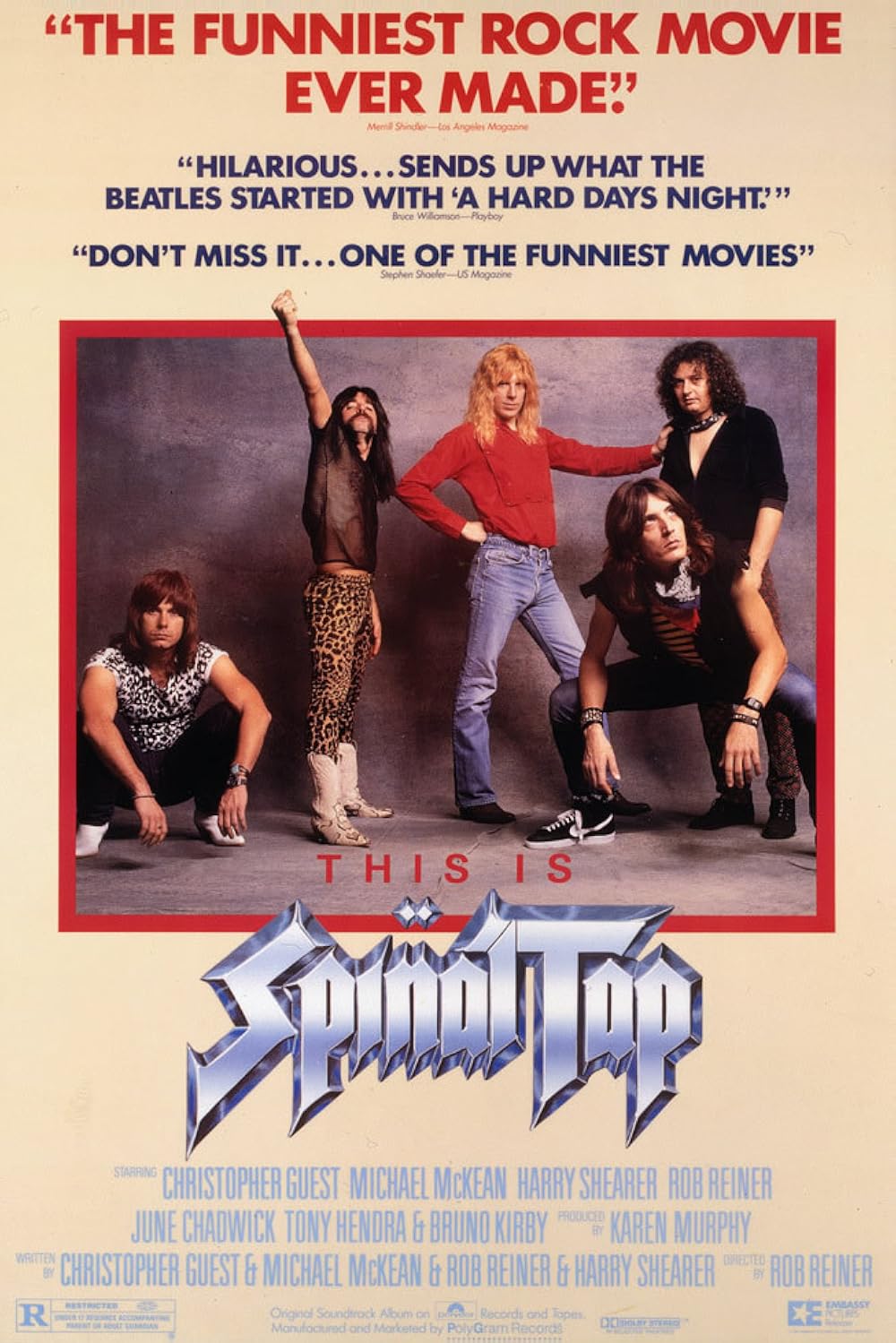
How This Is Spinal Tap Invented the Modern Mockumentary Format
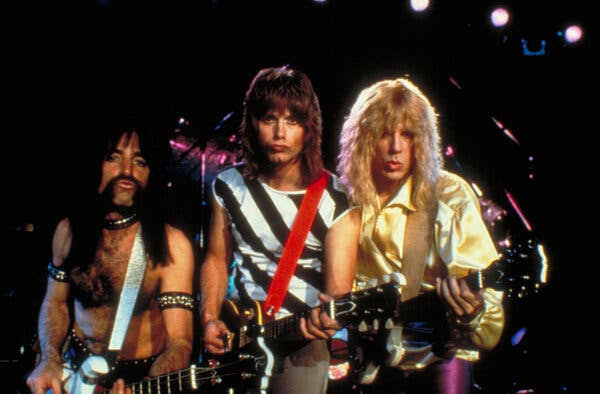
Discover how Rob Reiner's 1984 masterpiece This Is Spinal Tap laid the groundwork for modern television comedies. By treating absolute absurdity with complete sincerity, the film established the blueprint for single-camera mockumentaries like The Office, Modern Family, and Parks and Recreation, permanently altering the landscape of cinematic and televised comedy.
Key Takeaways
- This Is Spinal Tap pioneered the mockumentary format by mirroring real-life rock documentaries shot by filmmakers like D.A. Pennebaker.
- The film relies on deadpan sincerity rather than traditional setups and punchlines, creating a believable illusion of reality.
- Improvisation allowed actors Christopher Guest, Michael McKean, and Harry Shearer to develop organic, highly quotable character dynamics.
- Without Spinal Tap's groundbreaking structure, modern single-camera workplace comedies might never have found their stylistic footing.
- Subtle visual gags and audio cues reward repeated viewings, proving the film's depth extends far beyond its famous quotes.
The Documentary Blueprint That Fooled the World
When This Is Spinal Tap premiered in 1984, audiences were caught completely off guard. Many viewers walked out of theaters genuinely unsure whether Britain's loudest heavy metal band was a real musical act or an elaborate satire. This confusion was entirely intentional. Director Rob Reiner and his cast meticulously studied the conventions of rockumentaries like the Rolling Stones' Gimme Shelter and The Last Waltz. They adopted the visual language of direct cinema—handheld cameras, dimly lit backstage hallways, awkward silences, and dramatic interviews shot against hotel room curtains.
This commitment to authenticity created a jarring yet hilarious contrast. When an audience watches a documentary, they suspend their disbelief and accept the subjects as real people navigating genuine struggles. By applying that exact documentary grammar to completely ridiculous scenarios—such as getting lost inside a sports arena while trying to find the stage, or arguing over the tasteful minimalism of the album cover for Smell the Glove—the filmmakers weaponized genre conventions against themselves. The humor stems not from the actors signaling a joke to the camera, but from the pathetic sincerity with which the band members face their mounting professional disasters.
The Power of Deadpan Sincerity
Traditional television and film comedies of the early 1980s relied heavily on punchlines, laugh tracks, and heightened theatricality. Spinal Tap shattered that template by embracing deadpan realism. The script was largely a detailed outline featuring extensive backstories and scene objectives, but much of the dialogue was improvised on the spot. This process allowed the performers to inhabit their roles completely. When Nigel Tufnel explains his guitar amplifiers that go to eleven, he isn't winking at the audience; he is genuinely frustrated that other people cannot grasp the simple physics of an extra notch.
This straight-faced approach required immense discipline from the cast. If an actor breaks character or plays into the absurdity, the illusion shatters. By treating petty backstage squabbles and crumbling musical ambitions as high drama akin to Shakespearean tragedy, the mockumentary style achieved a satirical depth that scripted sitcoms simply could not match. It invited viewers to laugh at the characters' utter lack of self-awareness while simultaneously feeling a strange, lingering sympathy for their plight.
Paving the Way for Modern Workplace Comedies
It is nearly impossible to imagine the modern television landscape without the ripple effect of This Is Spinal Tap. The mockumentary format pioneered by Reiner, Guest, McKean, and Shearer became the DNA for a generation of critically acclaimed television. Shows that rely on talking-head interviews, awkward lingering shots of uncomfortable employees, and fictional documentary crews tracking mundane or eccentric workplaces all trace their lineage directly back to 1984's heaviest metal mockumentary.
Consider how shows like The Office utilize the documentary crew as an invisible narrative device. Characters glance knowingly at the lens, or offer defensive explanations during confessional interview segments—a direct descendant of Marty Di Bergi's interviews with the members of Spinal Tap. This stylistic choice creates an intimate, voyeuristic bond between the viewer and the on-screen chaos. Without the commercial and critical groundwork laid by Spinal Tap proving that audiences could follow a narrative told entirely through the lens of a satirical camera crew, networks would likely have deemed the format too risky for prime-time television.
The Evolution of Improv-Driven Ensembles
Beyond shaping television formats, the film also popularized a specific style of ensemble comedy built around improvised mockumentaries. Christopher Guest later took the blueprint he helped create with Spinal Tap and applied it to disparate subcultures in films like Waiting for Guffman, Best in Show, and A Mighty Wind. These films rely on the same anthropological curiosity that made Spinal Tap work: dropping eccentric, hyper-focused characters into low-stakes environments and letting their unearned confidence drive the comedy.
This approach changed how comedic actors collaborate. Rather than memorizing rigid joke structures, performers build rich internal lives for their characters, allowing the humor to emerge naturally from character interactions and interpersonal friction. The influence of this method extends far beyond traditional mockumentaries, inspiring countless comedy creators to trust their audience's intelligence and embrace silence, awkwardness, and deadpan realism.
Conclusion
More than four decades after its initial release, This Is Spinal Tap remains a towering achievement in cinematic comedy. By subverting documentary conventions and committing entirely to deadpan absurdity, it didn't just entertain audiences—it completely rewired the DNA of comedic storytelling for film and television. Whether you are analyzing its brilliant satire of the music industry or tracing its massive influence on modern television formats, the film continues to reward close inspection.
Want to hear more deep dives into cinematic milestones and comedy classics? Listen to the full episode of the Born to Watch podcast, where Whitey, Damo, and Dan turn the volume all the way up to eleven to discuss the making, the music, and the lasting legacy of Rob Reiner's classic mockumentary!
Frequently Asked Questions
Was This Is Spinal Tap the first mockumentary ever made?
While earlier satirical films used documentary elements or faux-news formats—such as Luis Buñuel's Land Without Bread or Woody Allen's Take the Money and Run—This Is Spinal Tap was the first feature-length film to fully mimic the modern rockumentary style, establishing the narrative and visual conventions recognized as the modern mockumentary today.
How much of the dialogue in This Is Spinal Tap was improvised?
The film was shot using a detailed outline and a 60-page treatment rather than a traditional word-for-word script. The cast members improvised almost all of their dialogue on set, which gave the interactions a naturalistic, documentary-style spontaneity.
Which modern TV shows were directly inspired by Spinal Tap's format?
Single-camera mockumentary comedies that utilize confessional interviews and a visible or implied documentary crew—most notably British and American versions of The Office, Parks and Recreation, Modern Family, and Abbott Elementary—owe a massive stylistic debt to This Is Spinal Tap.
Why did audiences initially think Spinal Tap was a real band?
The filmmakers deliberately adopted the exact camera angles, lighting, interview styles, and backstage jargon used in real rock documentaries of the 1970s. Combined with the actors playing their instruments live and delivering their lines with absolute sincerity, many early viewers could not tell where reality ended and satire began.
Why Bill Murray is the Only Actor Who Understands Wild Things (1998)