Feb. 18, 2026
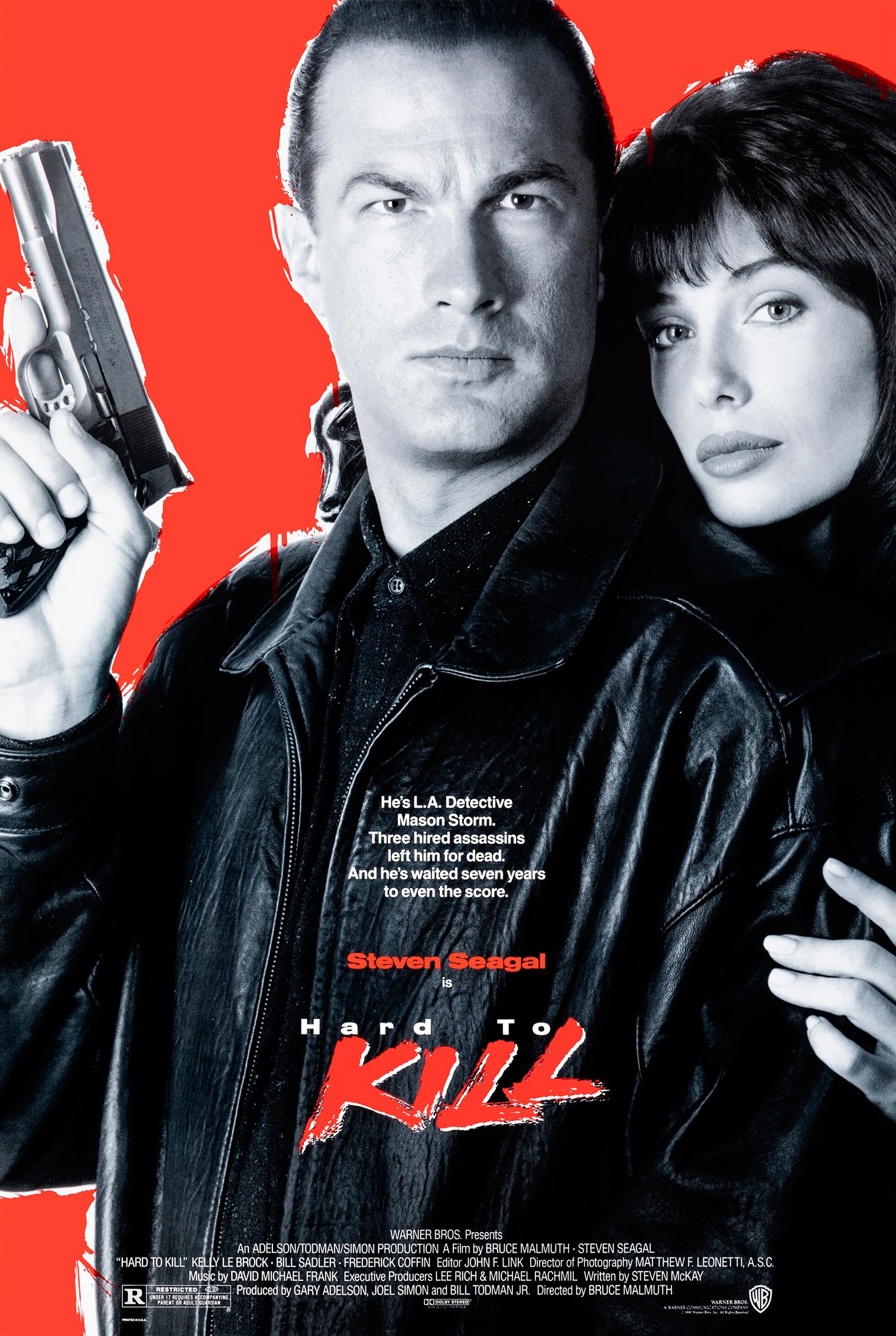
Stay tuned for one of the funniest reviews we have done with our Hard to Kill Movie Review, Whitey, Dan and Will the Worky put Hard to Kill through its paces to mixed reviews.
There was a very specific moment in movie history where Hollywood tried to replace Stallone and Schwarzenegger.
They didn't go smaller.
They didn't go funnier.
They went… Steven Seagal.
Hard to Kill (1990) was Seagal's second ever film and, incredibly, it worked. Audiences bought in. The VHS stores were full of it. Kids copied the moves in backyards. For a brief window, Seagal wasn't a joke. He was a legitimate action hero.
Watching it now, though?
It feels less like an action movie and more like a psychological study.
Because Hard to Kill might be the most unintentionally funny serious film ever made.
The Plot (Such As It Is)
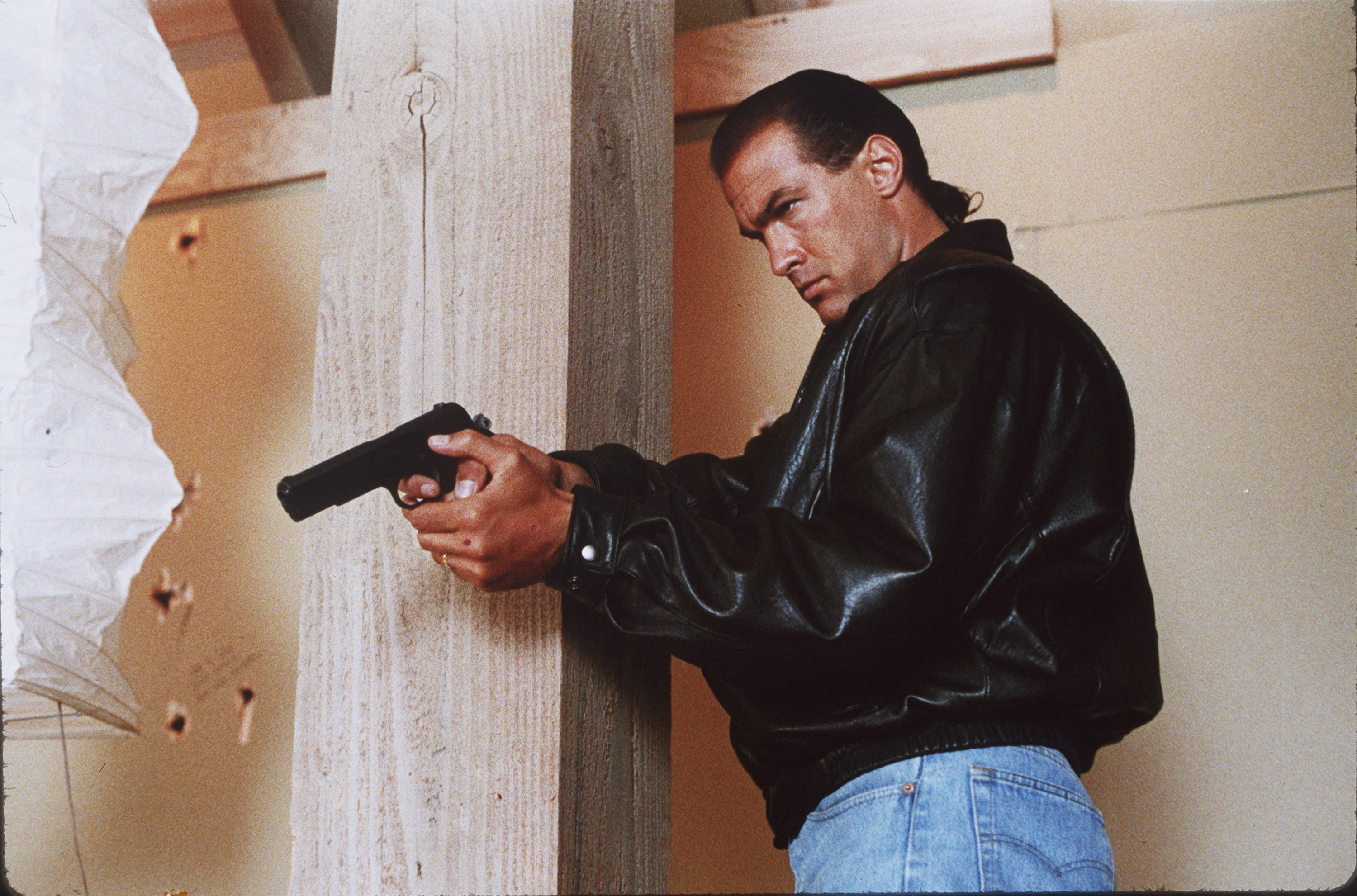
Seagal plays Mason Storm, a detective who uncovers political corruption. Naturally, instead of reporting it in any normal police manner, he records a secret tape and immediately gets himself and his wife ambushed by hitmen.
Storm is shot multiple times with a shotgun and left for dead. His wife was killed. His son escapes by performing what may be the most athletic child window-jump in cinema history.
Storm survives… and falls into a coma.
For seven years.
Then one day, he wakes up.
Not gradually. Not weakly. He wakes up like a man who had a nap.
Within days, he’s training, fighting, and preparing for revenge.
And this is where the movie stops pretending to be grounded and becomes pure Steven Seagal fantasy.
The Seagal Problem
Here’s the real issue with Hard to Kill.
Schwarzenegger knew he was ridiculous.
Bruce Willis had charm.
Van Damme leaned into spectacle.
Seagal believes everything he is doing.
That belief changes the entire movie.
His character is not just competent. He is the best at literally everything. He is the best cop, best fighter, best marksman, best lover, and apparently the best patient ever to come out of a seven-year coma.
Even the romance reflects this. A nurse instantly falls in love with him for reasons that appear to be “he exists”. The film treats this as completely normal. The audience… struggles.
There’s a scene where she feeds him with chopsticks immediately after waking from a coma. Not soup. Not hospital food. Chopsticks. It perfectly captures the movie's logic.
Action, Violence and Bone Breaking
Now, to be fair, this is where the film delivers.
Seagal’s aikido fighting style was genuinely new to Western audiences. Instead of punches and kicks, he breaks people. Arms bend backwards. Wrists snap. Shoulders dislocate. It’s brutal in a way 80s action rarely was.
The movie’s highlight is the sheer aggression of the combat. When Seagal wins a fight, he doesn’t just defeat opponents. He humiliates them physically. You can almost feel the choreography built around the sound effect of a forearm snapping.
It’s not elegant.
But it is memorable.
The Villains and the Confusion
The story revolves around a corrupt politician, Vernon Trent. The problem is that the film never explains why he’s corrupt or what he actually wants. He exists to be evil.
Even stranger, he constantly repeats a catchphrase that Storm originally heard on a surveillance recording, yet no one recognises the voice despite hearing it repeatedly.
This sums up Hard to Kill perfectly. The movie isn’t interested in logic. It’s interested in momentum.
Things happen because the film needs them to happen.
The Tone
The movie thinks it’s a gritty revenge thriller.
The audience watches a comedy.
The training montage after the coma is the turning point. Within a remarkably short time, Storm goes from an immobile patient to an unstoppable warrior through a combination of stretching, meditation, and vague “Oriental healing”.
It’s played with complete sincerity.
That sincerity is what makes it hilarious.
Why It Still Matters
Despite everything, Hard to Kill is important. It represents the final stage of VHS-era action movies, the period when charisma mattered more than acting, and presence more than realism.
It also explains why Seagal became famous so quickly. On paper, the character is a teenage power fantasy. An unbeatable man, respected by everyone and feared by criminals. In 1990, audiences embraced that.
Today, audiences see something else.
They see ego.
And that’s why the movie has aged in such a strange way. It hasn’t become boring. It has become fascinating.
Final Verdict
Hard to Kill is not a good film.
But it is absolutely worth watching.
As an action movie, it’s flawed.
As a time capsule, it’s incredible.
As accidental comedy, it’s elite.
More than anything, it answers one question:
How did Steven Seagal become a movie star?
For about 94 minutes, you understand exactly why… and also exactly why it couldn’t last.